Cat Design Review for Real Projects
First Impressions of the Cat Design
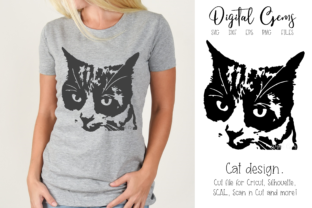
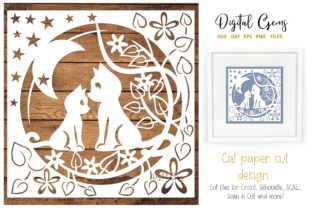
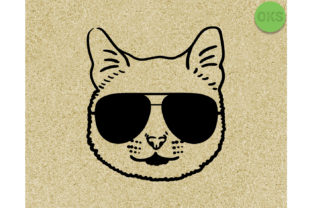
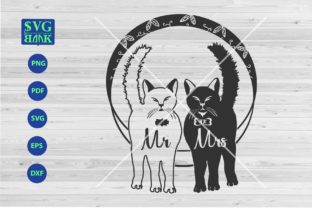
The Cat Design immediately catches the eye with its charming and playful vibe. The shape is well-balanced, and the layout feels natural, making it ideal for a variety of embroidery projects. The level of detail is moderate, which means it’s not overly complex but still has enough character to stand out. The visual personality of the design leans toward whimsical and approachable, perfect for items that aim to evoke warmth and comfort.
Best Fit for Embroidery Projects
This design naturally fits into custom apparel, such as tote bags, sweatshirts, and t-shirts. It also works well for baby items, like onesies or blankets, where a soft and friendly image is essential. The Cat Design could be a great addition to patches, aprons, and pillow covers, especially for those looking to create handmade products that feel personal and thoughtful. Its simplicity makes it adaptable for both casual and more refined settings.
Real-Life Embroidery Performance
When considering real-life embroidery situations, the Cat Design holds up reasonably well. For custom apparel like t-shirts or sweatshirts, it adds a nice touch without overwhelming the fabric. On tote bags, it provides a focal point that can elevate the overall look. However, the design may struggle on smaller hoop sizes, where the details might get lost or distorted. It’s best suited for medium to large hoops to maintain clarity and definition.
Considerations for Specific Fabrics and Uses
The Cat Design requires careful handling on textured fabrics, thin materials, or stretchy garments. On dark fabrics, the contrast might not be as strong, so thread color selection is crucial. For layered garments or curved surfaces like caps, the design may need adjustments to ensure proper placement and visibility. Tiny lettering or detailed corners could be challenging, so testing on scrap fabric before full use is recommended.
Impact on Visual Appeal and Customer Perception
Visually, the Cat Design adds a sense of charm and personality to any finished product. It can enhance the appeal of handmade products, making them more attractive to potential buyers. Stitching clarity is generally good, but the design’s effectiveness depends on the stitch density and stabilizer used. For commercial embroidery projects, this design can contribute to a professional appearance, increasing customer trust and engagement.
Practical Designer Notes
As a designer, I always recommend testing the Cat Design on scrap fabric before committing to a larger project. This helps identify any issues with stitch density or thread color contrast. Checking the hoop size is essential to ensure the design fits comfortably and maintains its integrity during stitching. Small details should be inspected closely to avoid any unexpected results.
Testing in Different Scenarios
It’s wise to test the Cat Design in black and white mockups to see how it translates without color. Comparing it on light and dark fabric backgrounds can help determine the best thread colors for visibility. Using the right stabilizer is crucial, especially for delicate or stretchy fabrics. For both personal and commercial projects, confirming the licensing terms is important to avoid any legal issues when selling finished items or digital products.
Where the Cat Design Shines
The Cat Design excels in applications where a friendly and recognizable image is desired. It works well for personalized gifts, holiday embroidery, and boutique merchandise. As an Etsy seller or small shop owner, this design can be a valuable addition to your product lineup, offering versatility and appeal. Its adaptability makes it a solid choice for craft businesses looking to expand their offerings.
Final Thoughts on the Cat Design
In conclusion, the Cat Design is a versatile and appealing option for a range of embroidery projects. Its balance of detail and simplicity makes it suitable for both casual and more polished applications. Whether you're creating custom apparel, baby items, or small business merchandise, this design has the potential to add value and visual interest. With proper testing and consideration, it can become a reliable asset in your embroidery workflow.