Cat Stretching Embroidery Design
As an embroidery designer and product reviewer, I’ve evaluated countless machine embroidery designs for real-world use. Cat Stretching caught my attention not just for its cute subject matter, but for how it might translate into practical, usable projects. Whether you're an Etsy seller, a small shop owner, or a hobbyist looking to add something unique to your craft business, this design offers potential—but it also comes with considerations.
The First Impression: A Lively, Playful Mood
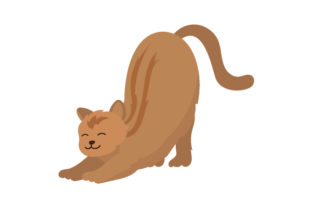
Cat Stretching immediately conveys a sense of energy and playfulness. The design captures a cat in mid-stretch, with fluid lines and expressive details that suggest movement. It’s not overly detailed, but the balance between simplicity and character makes it versatile. The layout feels natural for an embroidery project, with enough space around the main subject to allow for placement on various items without feeling cramped.
This design would fit well on custom apparel, like a sweatshirt or tote bag, where the visual appeal can be appreciated without overwhelming the fabric. It also has a soft, friendly vibe that could work for baby items, nursery decor, or even holiday gifts.
Real-World Use: Where Cat Stretching Shines
When considering real-life embroidery situations, Cat Stretching is best suited for projects that allow for clear stitching and visible detail. For example, on a tote bag design, the shape and flow of the cat would stand out without being too busy. On a sweatshirt, it could serve as a subtle yet charming accent.
It also works well as an embroidered patch or applique design, where the stitch density and thread color contrast can be carefully controlled. The design’s simplicity means it can be adapted to different fabric types, including cotton, denim, or even lightweight knits, provided the right stabilizer is used.
For small business owners, this design could be a great addition to a line of handmade products. It’s perfect for personalized gifts, such as a baby onesie or a custom pillow cover. Its friendly look also makes it ideal for holiday embroidery, like a festive ornament or a Christmas-themed apron.
Where to Be Cautious: Practical Limitations
While Cat Stretching has a lot to offer, there are some scenarios where it may not perform as well. For instance, on small hoop sizes, the design might feel too large or require multiple hooping, which can be time-consuming. If you’re working with textured fabrics or thin materials, the stitch density could cause puckering or distortion.
On dark fabrics, the design may not show up as clearly unless you choose a contrasting thread color. Similarly, on stretchy or layered garments, the embroidery could lose definition if not properly stabilized. For curved surfaces like caps or hats, the design might need some adjustment to ensure it sits correctly on the curve.
If you’re planning to use it for tiny lettering or decorative accents, this design isn’t the best choice. It’s better suited for larger, more prominent elements rather than intricate details that require precision.
Visual Appeal and Customer Perception
Cat Stretching adds a touch of personality to any finished product. It’s visually appealing enough to catch a customer’s eye, especially when used on high-quality fabric. The design’s simplicity also helps maintain clarity in stitching, ensuring that the final result looks clean and professional.
From a commercial standpoint, this design could enhance the value of your handmade products. Customers often appreciate unique, recognizable elements that make a product stand out. Whether it’s a custom apparel piece or a boutique item, Cat Stretching can contribute to brand consistency and customer trust.
Its friendly, approachable nature also makes it highly giftable. People love receiving personalized items with a personal touch, and this design could easily be incorporated into a thoughtful gift, whether for a friend, family member, or even a pet lover.
Practical Designer Notes: Testing and Preparation
Before using Cat Stretching in a real project, I recommend testing it on scrap fabric. This will help you assess how the design looks on different materials and identify any issues early on. Pay close attention to thread color contrast—especially if you’re using it on dark backgrounds.
Review the stitch density to ensure it’s appropriate for your project. If the design is too dense, it may cause fabric distortion or wear over time. Confirm the hoop size required for your machine to avoid unnecessary complications during the embroidery process.
Inspect small details like corners and edges to make sure they hold up under stitching. Test the design in black and white mockups to see how it translates without color. Compare it on light and dark fabric backgrounds to determine the best visual impact.
Use the proper stabilizer for your fabric type, and check whether the design works for both personal and commercial projects. Always confirm licensing terms before selling finished items or digital products, even if the design appears to be freely usable.
Final Thoughts: A Versatile, Friendly Design
Cat Stretching is a design that balances charm with practicality. It’s not overly complex, which makes it accessible for a wide range of embroidery projects. Whether you're creating custom apparel, personalized gifts, or small shop merchandise, this design has the potential to add value and appeal.
With careful preparation and attention to detail, Cat Stretching can become a valuable part of your design assets. It’s a great choice for anyone looking to add a bit of playful energy to their handmade products or digital embroidery files.
As always, remember to test, adjust, and adapt based on your specific needs. That’s how you turn a good design into a great finished product.